
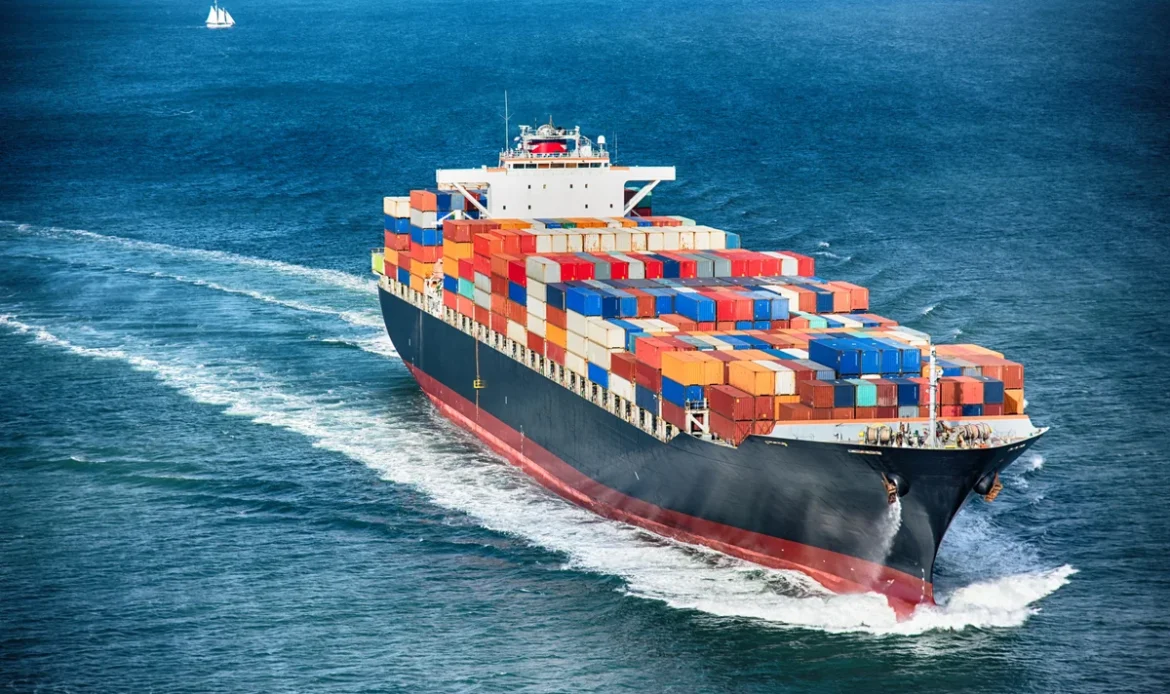
International shipping often involves moving goods in containers across oceans. When businesses plan a shipment, they usually come across two common terms: FCL and LCL shipping. Understanding the difference between these two container shipping methods helps importers and exporters choose the right option based on cost, shipment size, and delivery timelines.
What Is FCL Shipping?
FCL (Full Container Load) shipping means one shipper uses the entire container for their cargo. The container is loaded at the origin and typically remains sealed until it reaches the destination.
FCL is commonly used by businesses that ship large quantities of goods. Since the container is dedicated to one shipment, it usually moves faster with less handling during transit.
What Is LCL Shipping?
LCL (Less than Container Load) shipping is used when a shipper does not have enough cargo to fill a full container. In this case, shipments from multiple businesses are combined into one container.
Freight forwarders consolidate these smaller shipments into a single container and then separate them at the destination port.
LCL is ideal for small shipments, startups, or businesses testing international markets.
7 Key Differences Between FCL and LCL Shipping
1. Cargo Volume
The biggest difference between FCL and LCL shipping is the shipment size.
FCL: Used when cargo is enough to fill a container.
LCL: Used when cargo is smaller and can share container space with other shipments.
Businesses shipping large volumes usually choose FCL for efficiency.
2. Shipping Cost
Cost structure is different for both shipping methods.
FCL: A fixed price is paid for the entire container.
LCL: Charges are calculated based on cargo volume or weight (CBM).
For small shipments, LCL can be more affordable. For large shipments, FCL often becomes more cost-effective.
3. Transit Time
Transit time can vary depending on the shipping method.
FCL: Usually faster because the container moves directly without consolidation or deconsolidation delays.
LCL: Slightly slower since cargo must be consolidated at origin and separated at destination.
Businesses with urgent shipments often prefer FCL.
4. Cargo Handling
Cargo handling affects the risk level during transport.
FCL: Minimal handling because the container belongs to one shipper.
LCL: Cargo is handled multiple times during consolidation and deconsolidation.
Less handling generally means lower risk of damage.
5. Security and Safety
Security is another important factor.
FCL: The container is sealed and opened only by the consignee at the destination.
LCL: Multiple shipments share the container, increasing handling and inspection steps.
Sensitive or high-value cargo often moves through FCL shipments.
6. Flexibility for Small Businesses
LCL shipping provides flexibility for companies that ship smaller quantities.
FCL: Requires enough goods to fill a container.
LCL: Allows businesses to ship smaller loads without waiting to accumulate large inventory.
This is helpful for startups and businesses entering new markets.
7. Documentation and Logistics Process
Both shipping methods require documentation, but the process differs slightly.
FCL: Documentation is simpler since the container belongs to one shipment.
LCL: More coordination is needed because multiple shipments share the container.
Freight forwarders usually manage the consolidation process in LCL shipping.
Looking for the Lowest FCL or LCL Container Quote?
If you are planning an international shipment and want a competitive FCL or LCL container shipping quote, working with an experienced logistics partner can help reduce costs and avoid delays.
Shitij Logistics helps exporters and importers with reliable freight forwarding solutions including:
- FCL container shipping
- LCL consolidation services
- International freight forwarding
- Import and export logistics support
- Customs clearance assistance
Whether you are shipping a full container or a smaller cargo load, the team can help you find the most cost-effective shipping option.
Contact Shitij Logistics today for the lowest FCL and LCL shipping quote and professional logistics support.
Conclusion
Choosing between FCL and LCL shipping depends on shipment size, cost considerations, delivery timelines, and cargo safety requirements. FCL works best for large shipments that need faster transit and better security, while LCL offers flexibility for smaller shipments and businesses that want to reduce shipping costs.
Understanding these differences allows businesses to make smarter logistics decisions and ensure smooth international cargo movement. Working with a reliable logistics partner can further simplify the process and help you get the best shipping rates for your cargo.